
Blog
Screenwriting tips, industry insights, and guides on getting the most from AI-powered script coverage.

Co-Writing with Friends: Handling Disagreements
Lock down notes, ownership, deadlines, and tie-breakers early to protect both your script and your friendship.

AI Script Coverage vs Human Logic Notes
Use AI to fix continuity and draft inconsistencies fast; use human readers later to judge plausibility, motivation, and payoff.
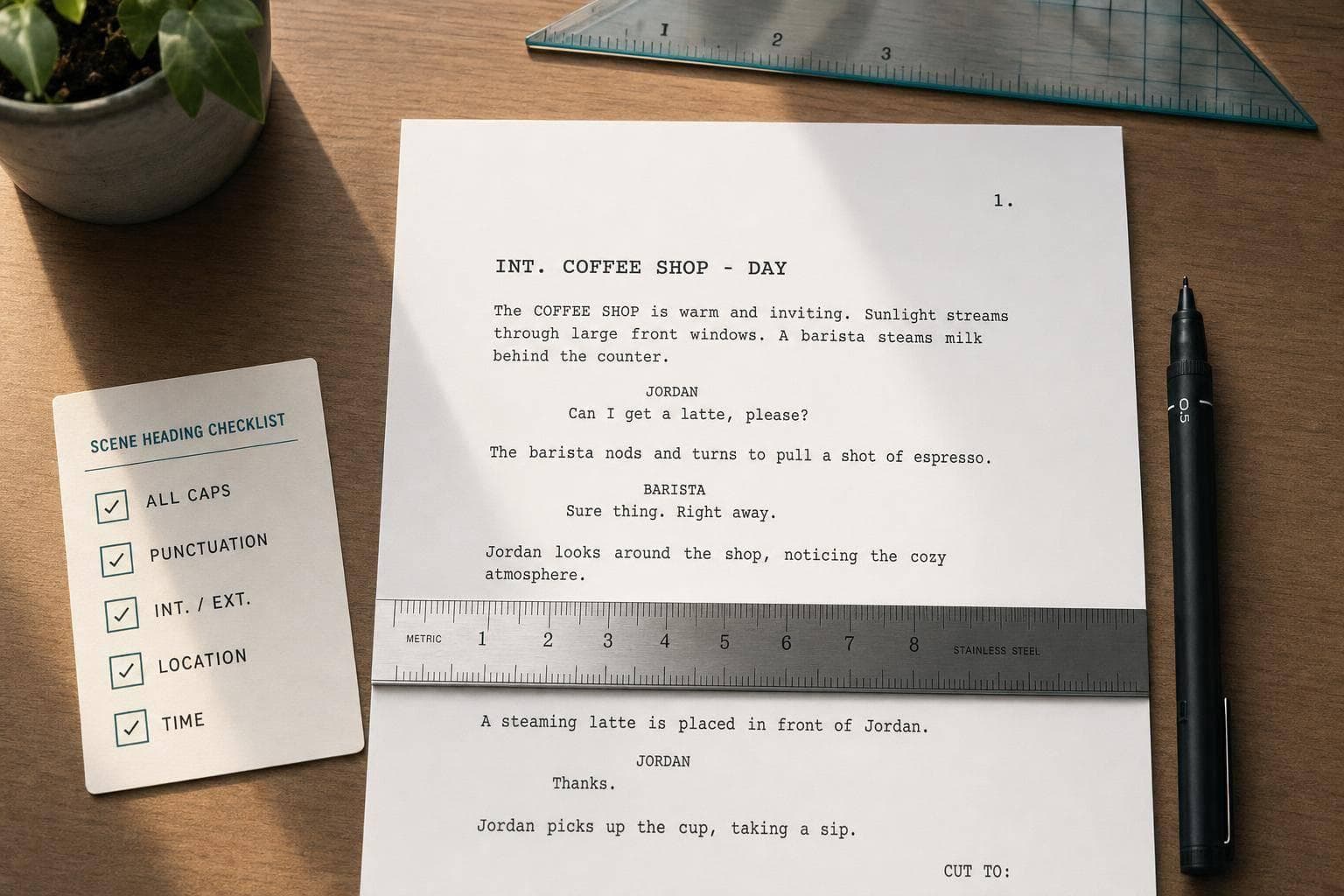
How to Write Scene Headings in Screenplays
Write consistent scene headings using INT./EXT. + LOCATION + TIME—caps, punctuation, mini-slugs, and a simple pre-share checklist.

10 Revision Priority Note Examples for Scripts
Rank ten common script notes by impact and follow a four-pass rewrite: structure, character, scene flow, polish.
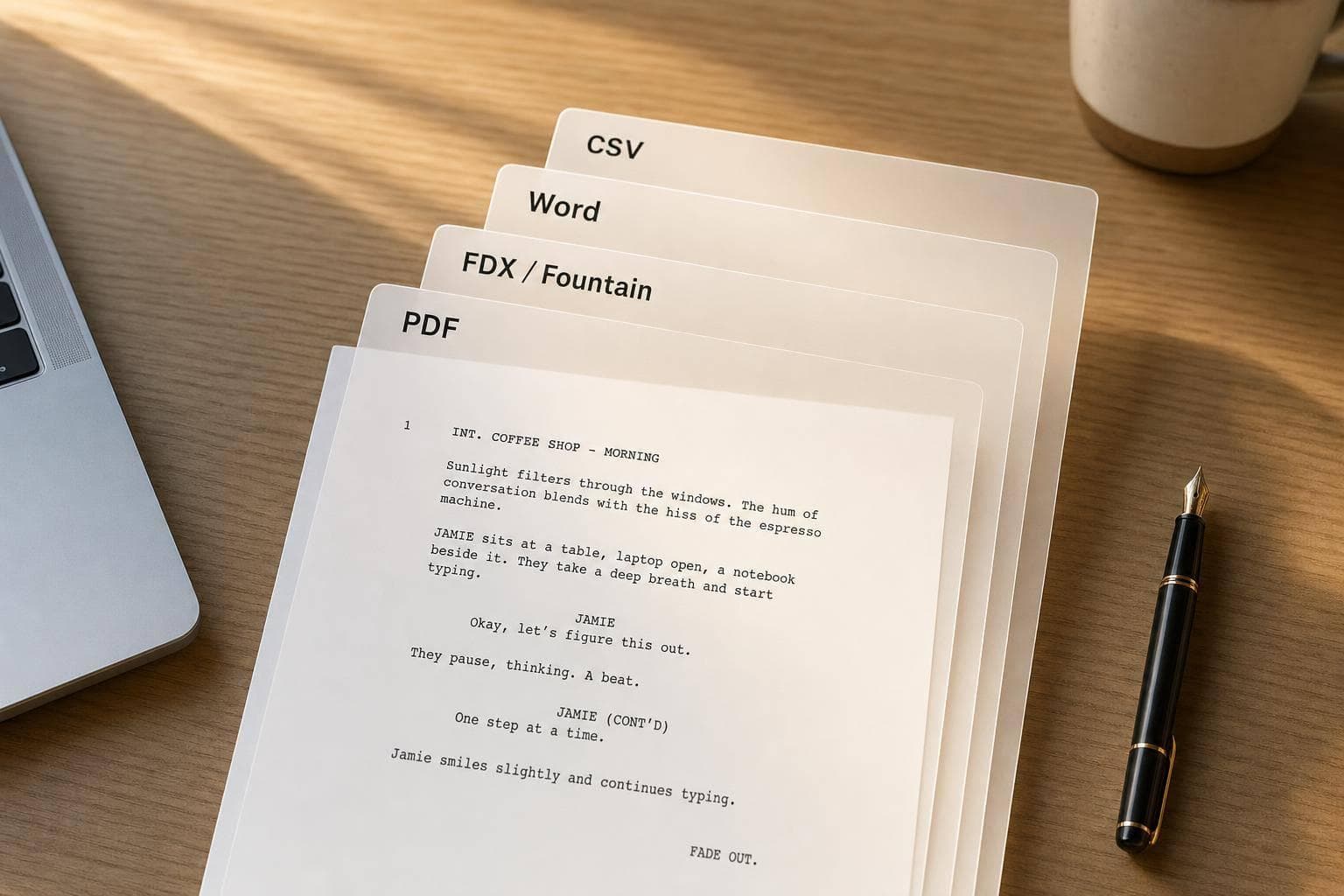
The Complete Guide to Exporting Screenplays in Any Format
Choose the right screenplay file: PDF for submissions, FDX/Fountain for edits, Word for notes, CSV for production.

Slow Feedback Killing Your Script? Here Are 5 Fixes
Speed rewrites with five fixes: AI coverage, 3–5 day shared deadlines, scene-specific asks, draft comparison, and targeted exports.
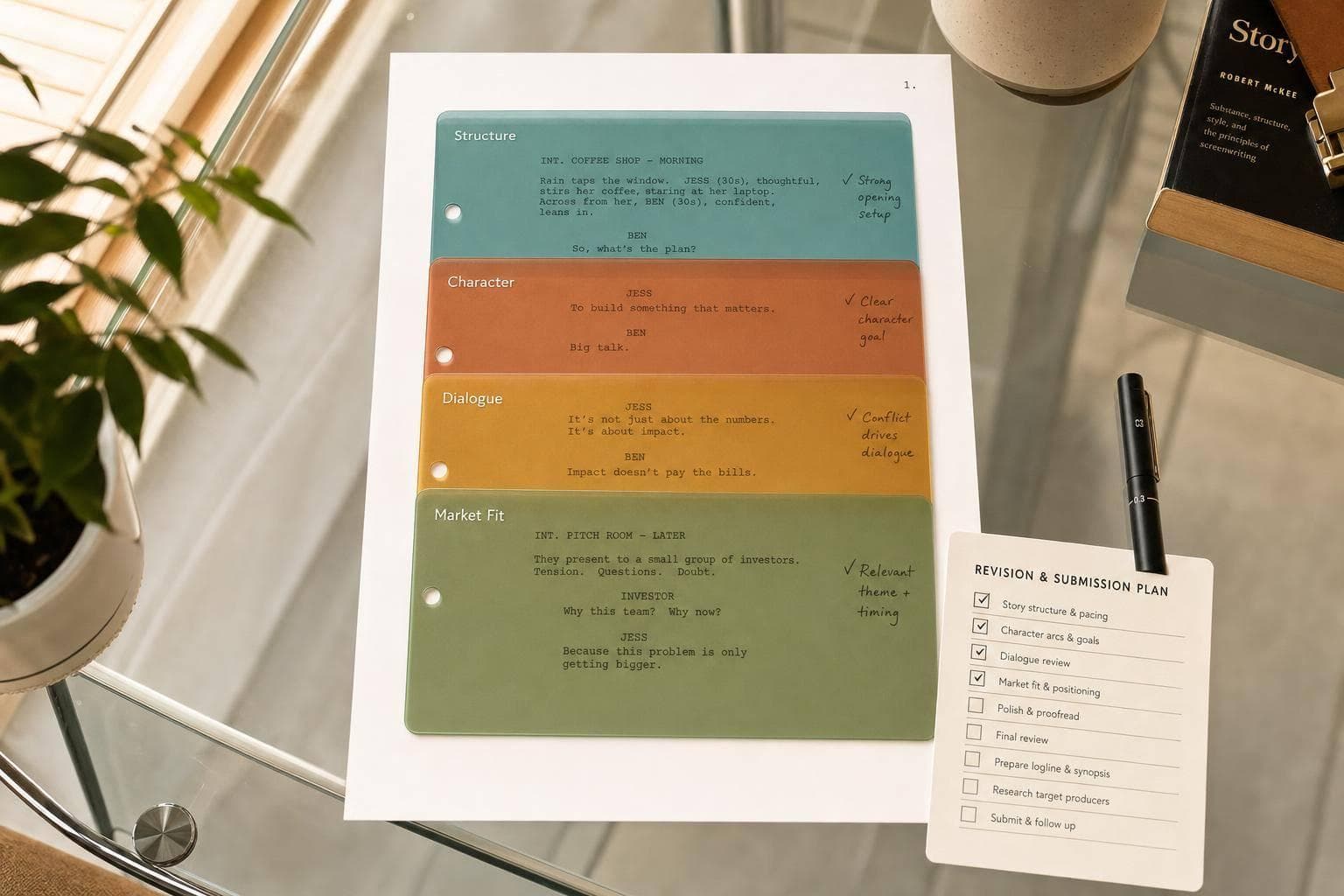
Script Coverage Explained: What Writers Need to Know
How coverage evaluates structure, character, dialogue, and market fit—and how to turn verdicts into a revision and submission plan.

AI Screenplay Tools: 8 Features Worth Paying For
Which paid AI screenplay features are worth it? Coverage, rewrites, beats, dialogue, version history, formatting, collaboration, and exports.
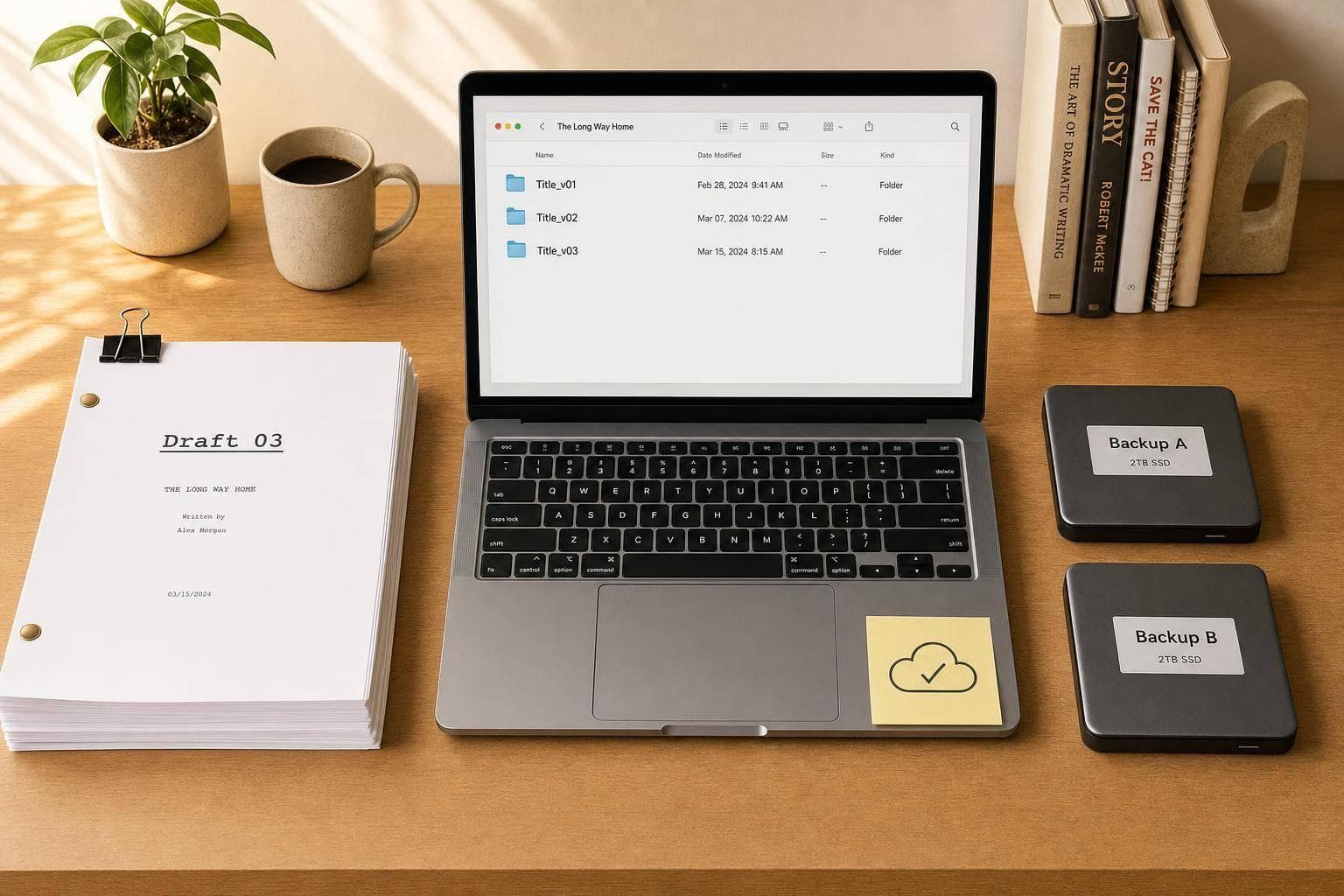
How to Manage Multiple Screenplay Drafts Without Losing Work
Use consistent filenames, fixed folders, 3-2-1 backups, and version history to keep screenplay drafts safe and recoverable.
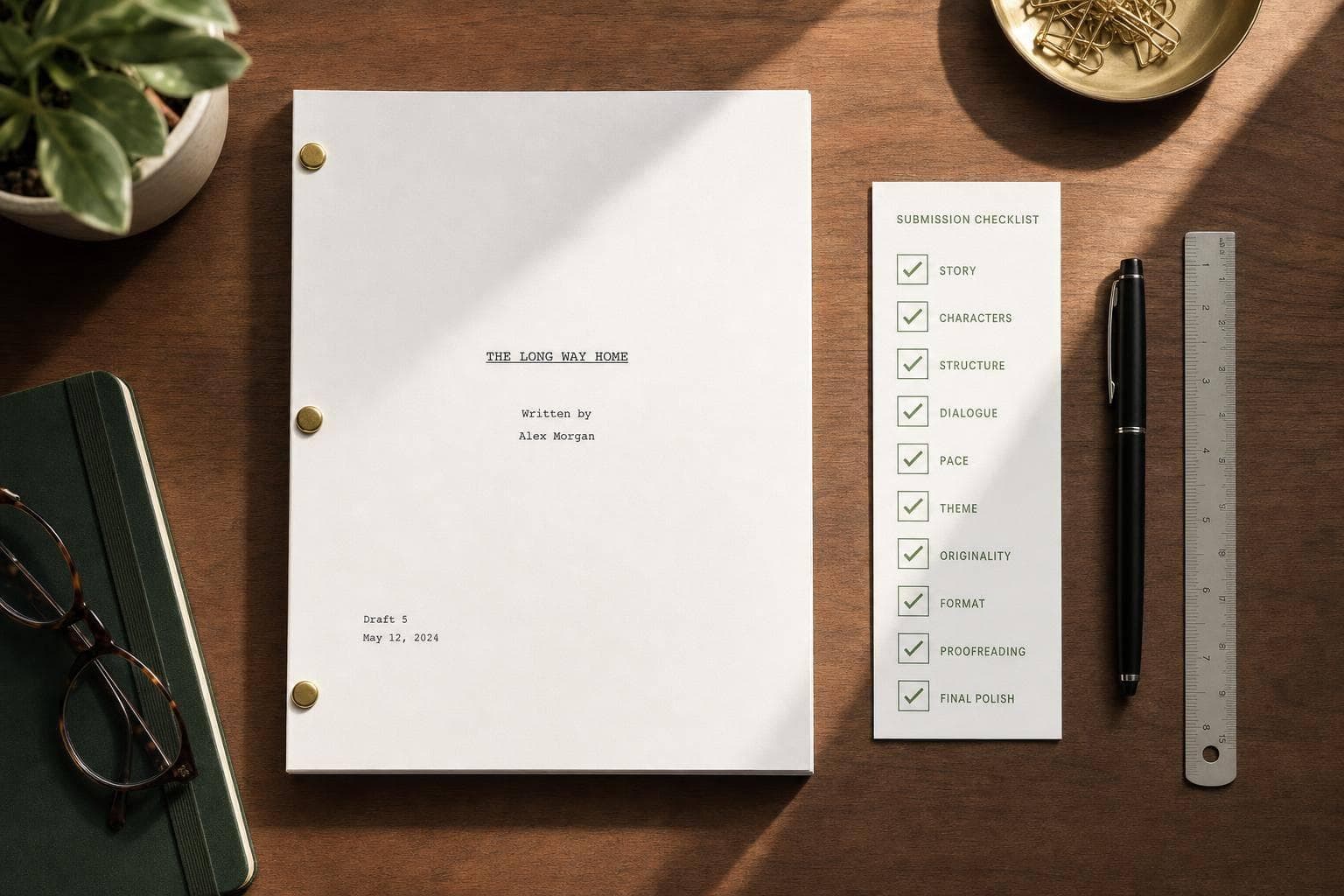
10 Signs Your Screenplay Is Ready to Submit
10-point checklist to make sure your screenplay's logline, format, structure, dialogue, pacing, and final file are submission-ready.
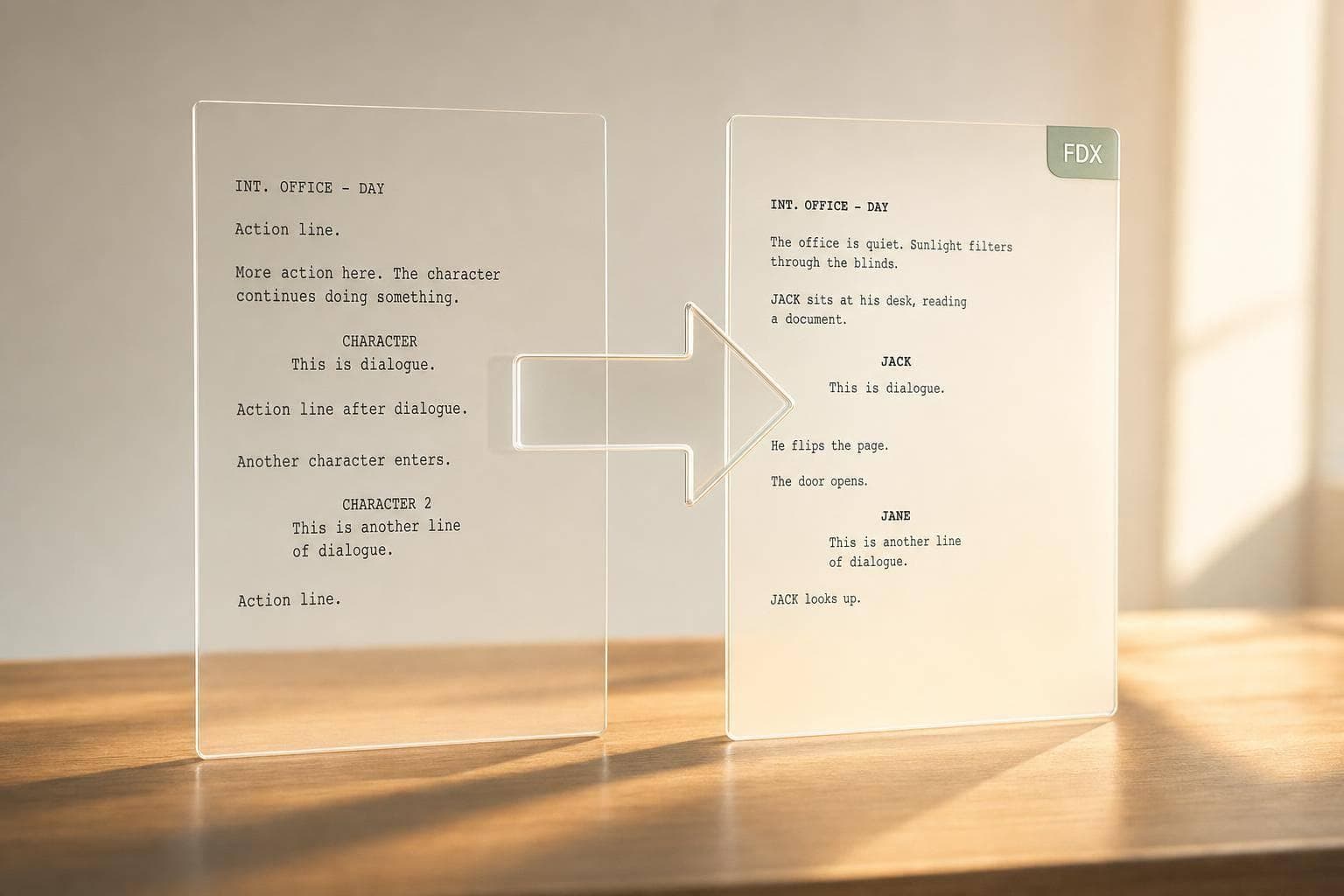
Final Draft vs. Fountain: Which Format Should You Use?
Draft in plain text for speed and version control; export to Final Draft (.fdx) for producer handoff and room revisions.
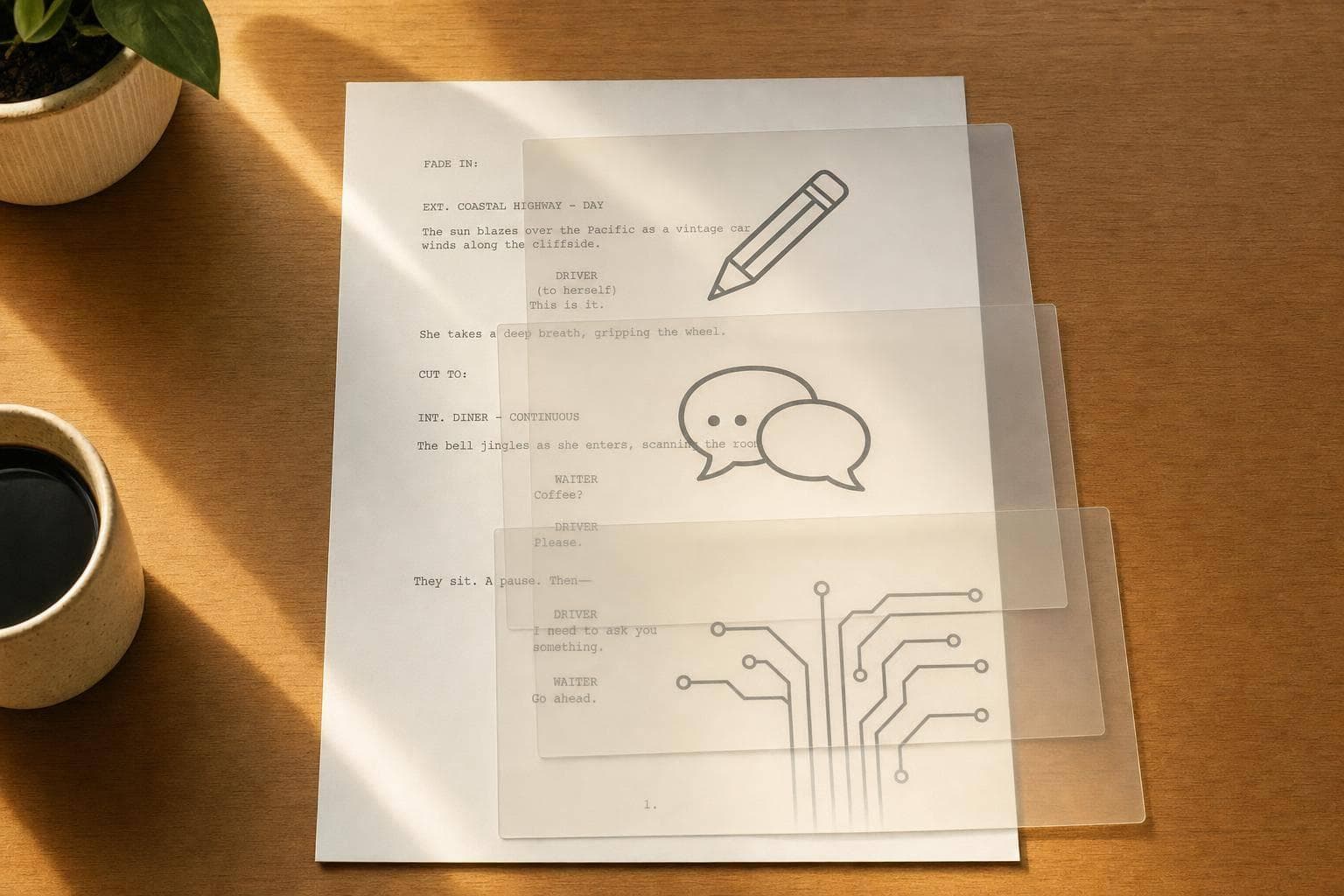
How to Get Script Coverage Without Hiring a Reader
DIY 3-step coverage: self-reads, structured peer feedback, and AI reports to get actionable script notes without hiring readers.