
Blog
Screenwriting tips, industry insights, and guides on getting the most from AI-powered script coverage.
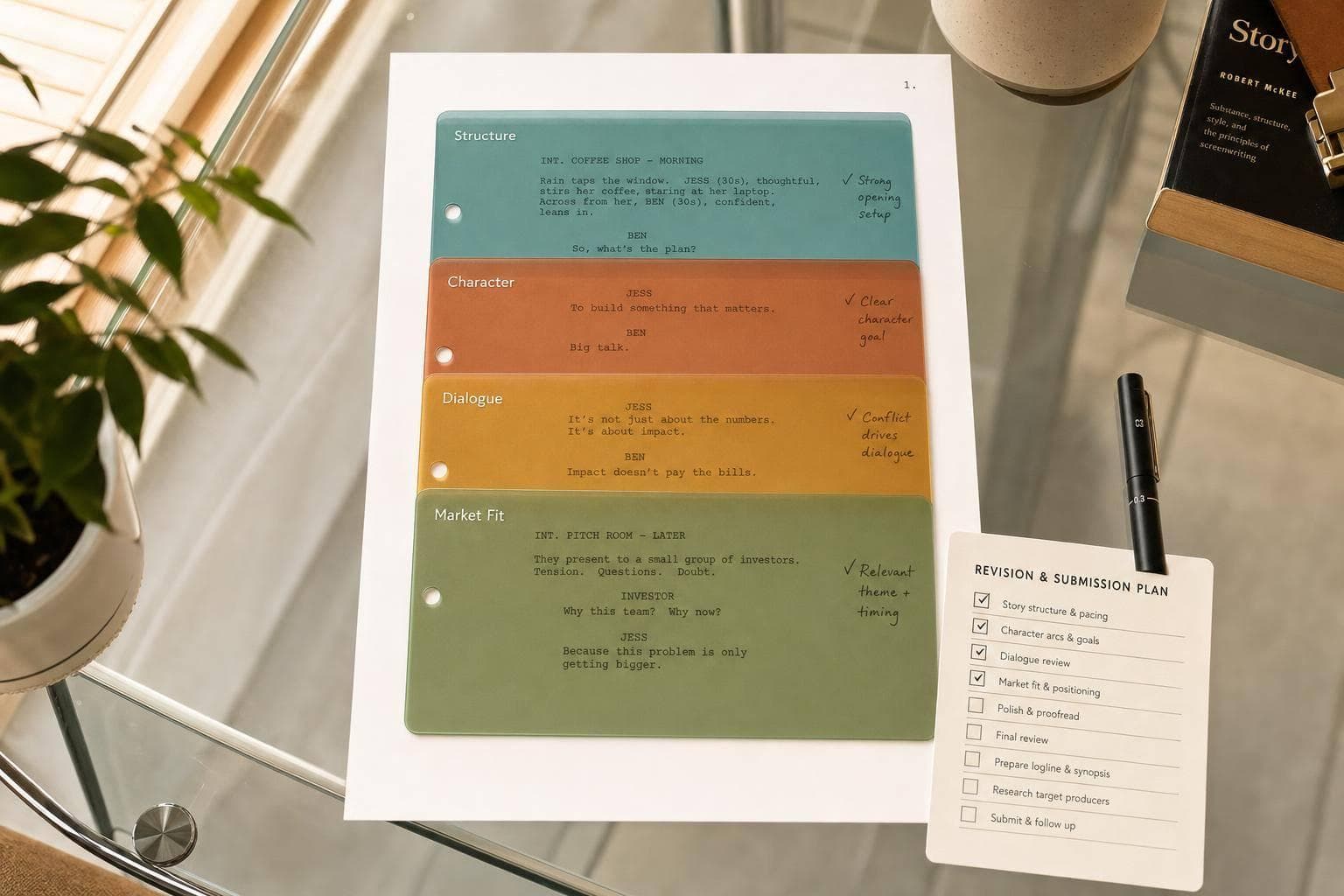
Script Coverage Explained: What Writers Need to Know
How coverage evaluates structure, character, dialogue, and market fit—and how to turn verdicts into a revision and submission plan.

AI Screenplay Tools: 8 Features Worth Paying For
Which paid AI screenplay features are worth it? Coverage, rewrites, beats, dialogue, version history, formatting, collaboration, and exports.
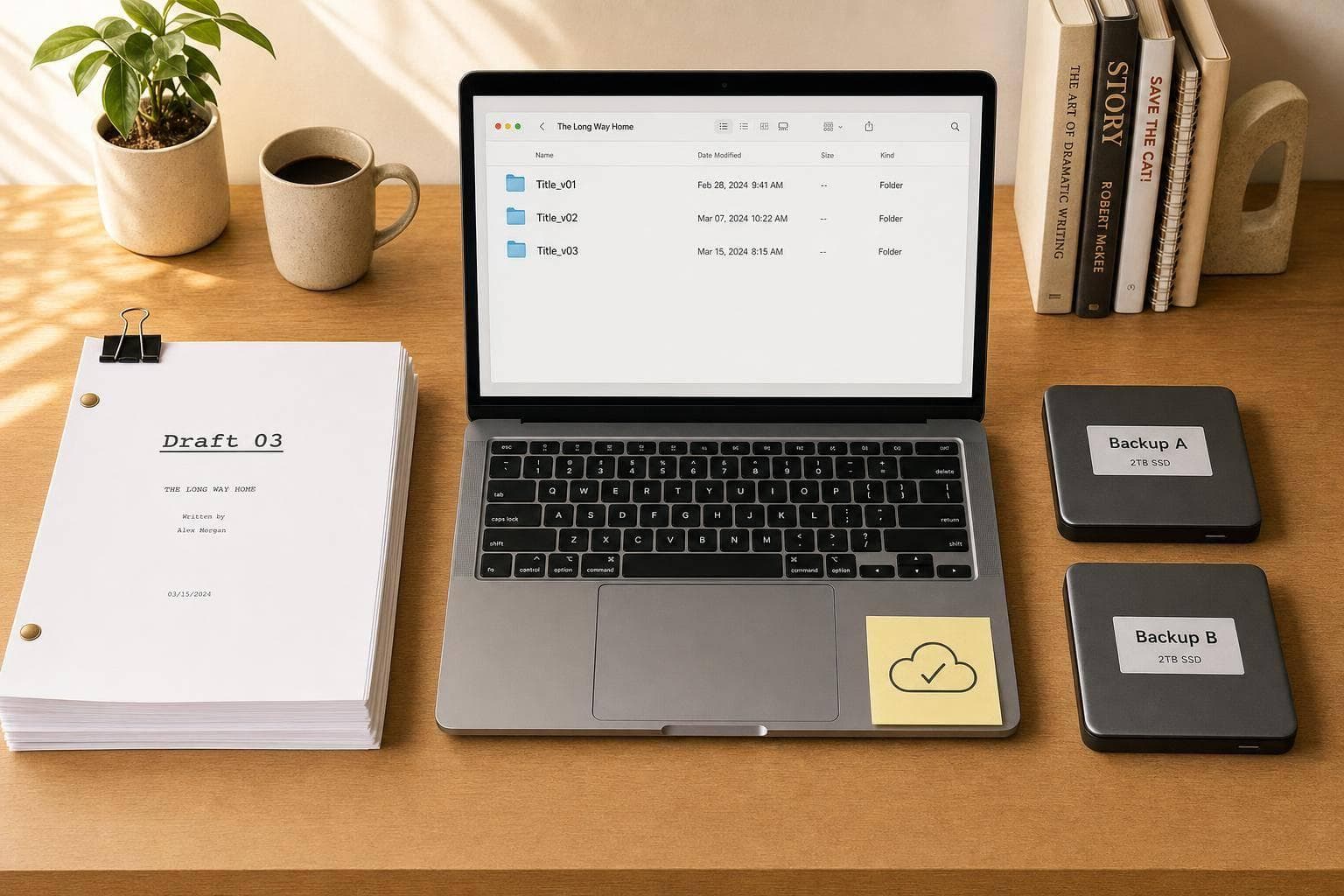
How to Manage Multiple Screenplay Drafts Without Losing Work
Use consistent filenames, fixed folders, 3-2-1 backups, and version history to keep screenplay drafts safe and recoverable.
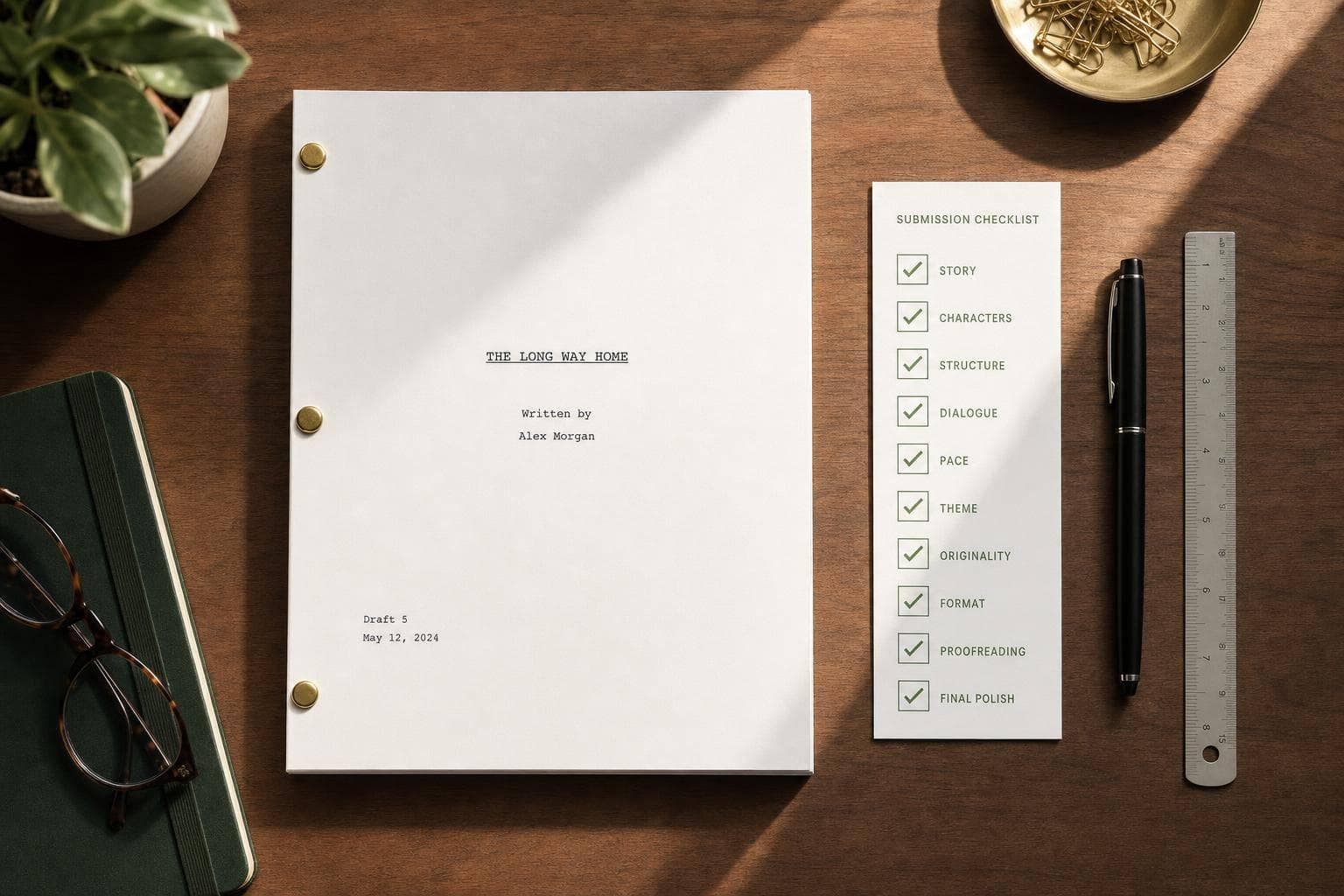
10 Signs Your Screenplay Is Ready to Submit
10-point checklist to make sure your screenplay's logline, format, structure, dialogue, pacing, and final file are submission-ready.

Final Draft vs. Fountain: Which Format Should You Use?
Draft in plain text for speed and version control; export to Final Draft (.fdx) for producer handoff and room revisions.
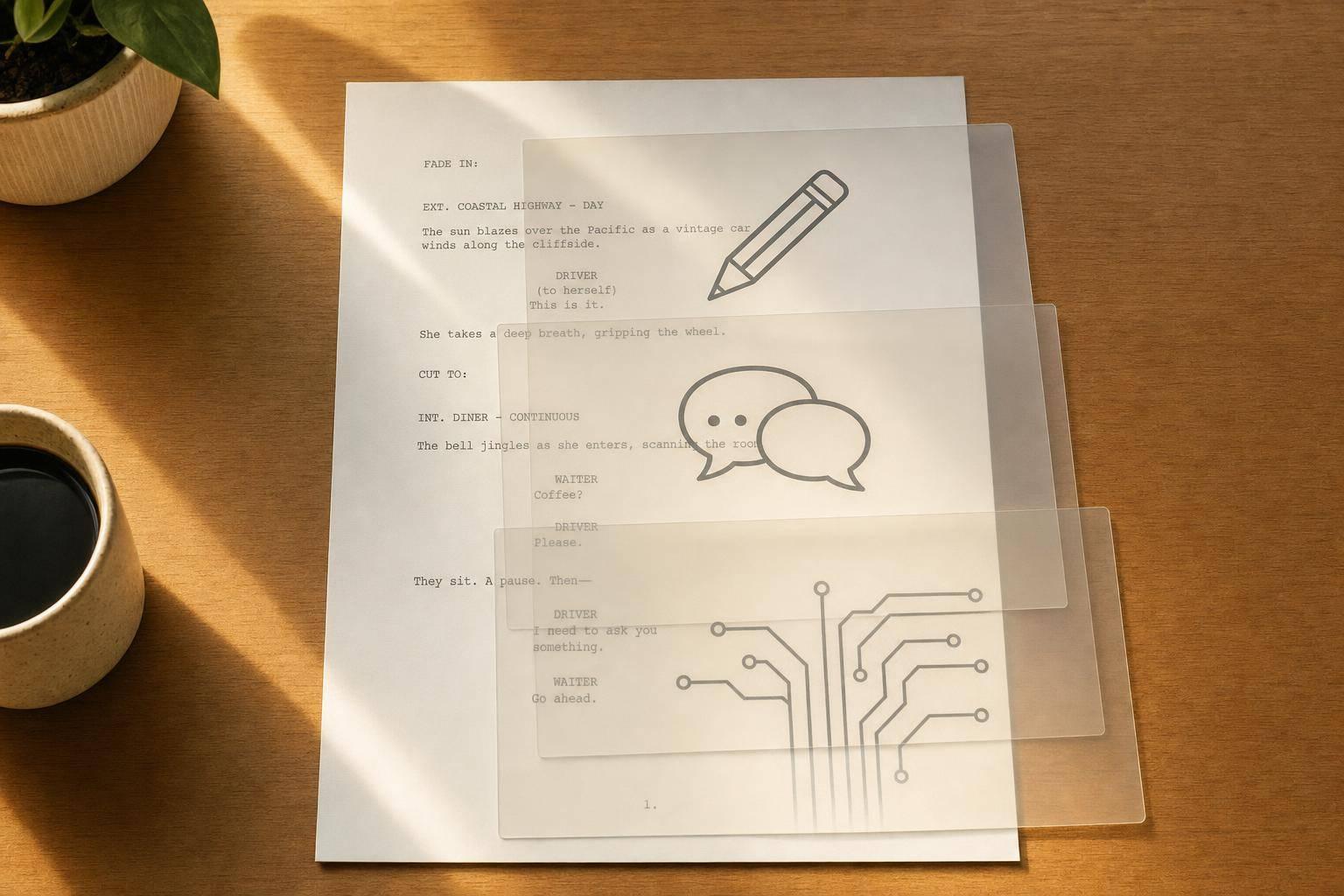
How to Get Script Coverage Without Hiring a Reader
DIY 3-step coverage: self-reads, structured peer feedback, and AI reports to get actionable script notes without hiring readers.

7 Ways AI Can Speed Up Script Rewrites
Use AI as a first-pass diagnostic to spot weak scenes, fix pacing, tighten dialogue, and turn notes into a ranked rewrite checklist.